28.05.2026.
Have you ever noticed that after hours of sitting at your desk, your back aches, your shoulders feel stiff, and your mind seems exhausted? The good news is – it’s easy to fix! By making small changes to your workspace and daily habits, you can significantly improve your well-being, focus, and energy levels.
In this article, we’ve compiled 9 practical ways to add movement to your workday and boost your overall energy, helping every day at the office feel healthier and more dynamic. Keep reading to learn more!
1. Use a Height-Adjustable Desk
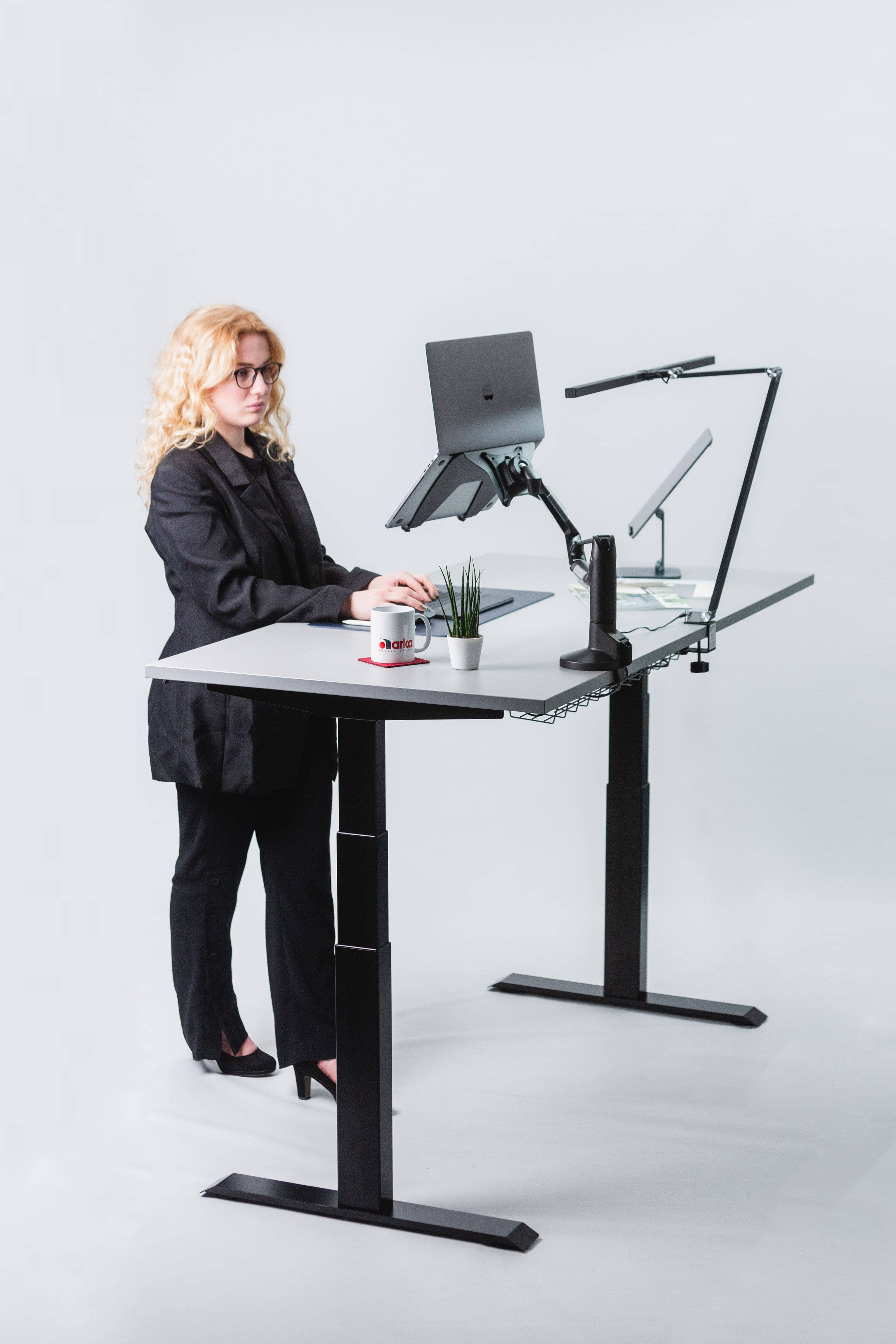
Long periods of sitting are one of the biggest challenges in office work. A height-adjustable desk allows you to alternate between sitting and standing throughout the day.
Switching between seated and standing positions gently activates your body – improving circulation, reducing tension in your back, and increasing energy levels. When standing, you naturally shift your weight and engage more muscles than when sitting. Meanwhile, sitting on an ergonomic office chair allows muscles to relax, giving your body a brief energy boost.
The key is balance – the most effective routine combines both sitting and standing rather than sticking to one position all day.
2. Use a Treadmill Desk
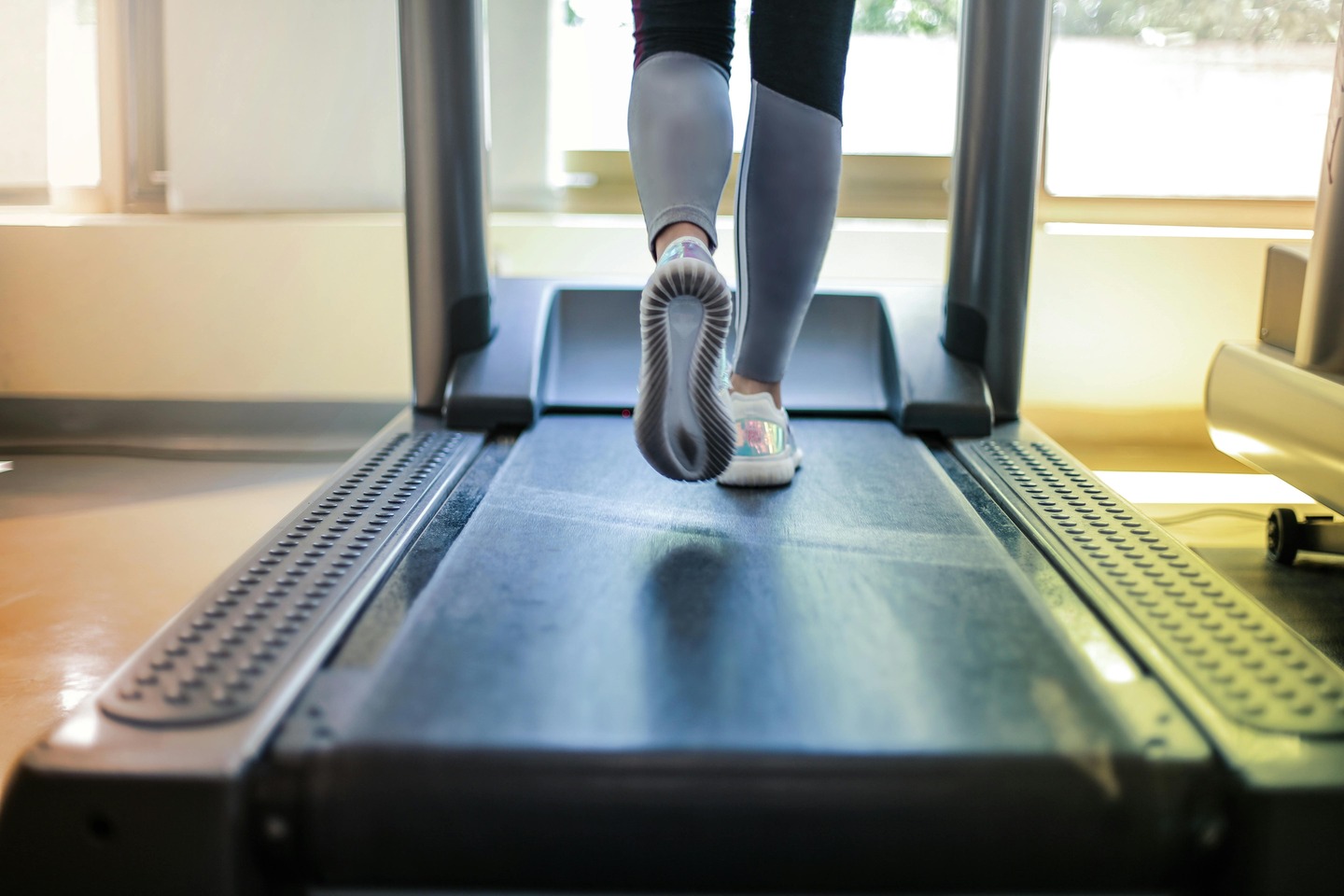
One of the most engaging ways to increase movement at work is a small treadmill desk, or walking pad, which lets you walk slowly while continuing to work at your computer.
These devices are often paired with a height-adjustable desk so your workspace can be set to a comfortable standing position. Walking speeds are usually slow – around 1–3 km/h – making it easy to read emails, review documents, or attend virtual meetings while staying active.
Even slow walking during the workday offers several benefits:
-Increases overall daily movement
-Improves circulation
-Reduces fatigue from prolonged sitting
3. Choose a Balance Chair
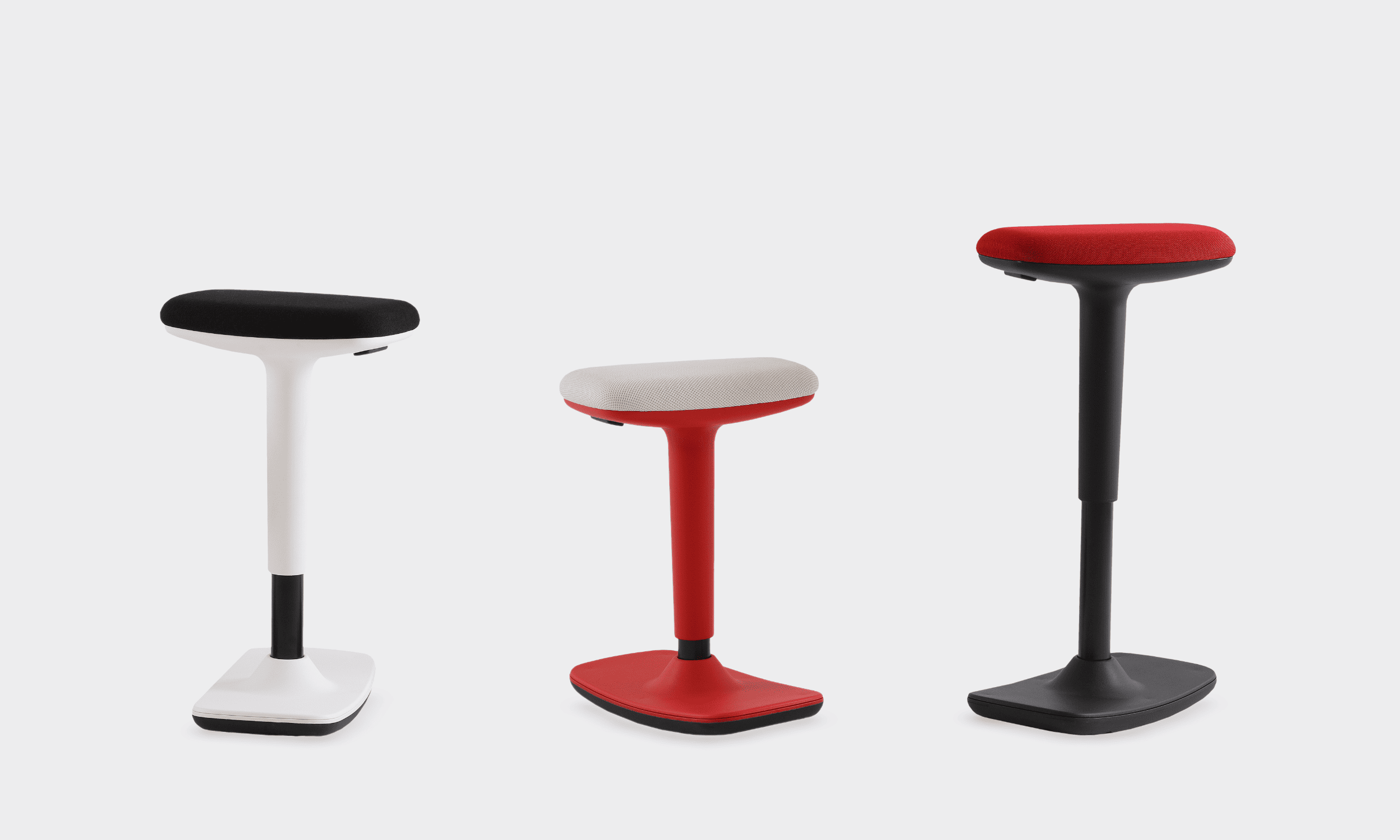
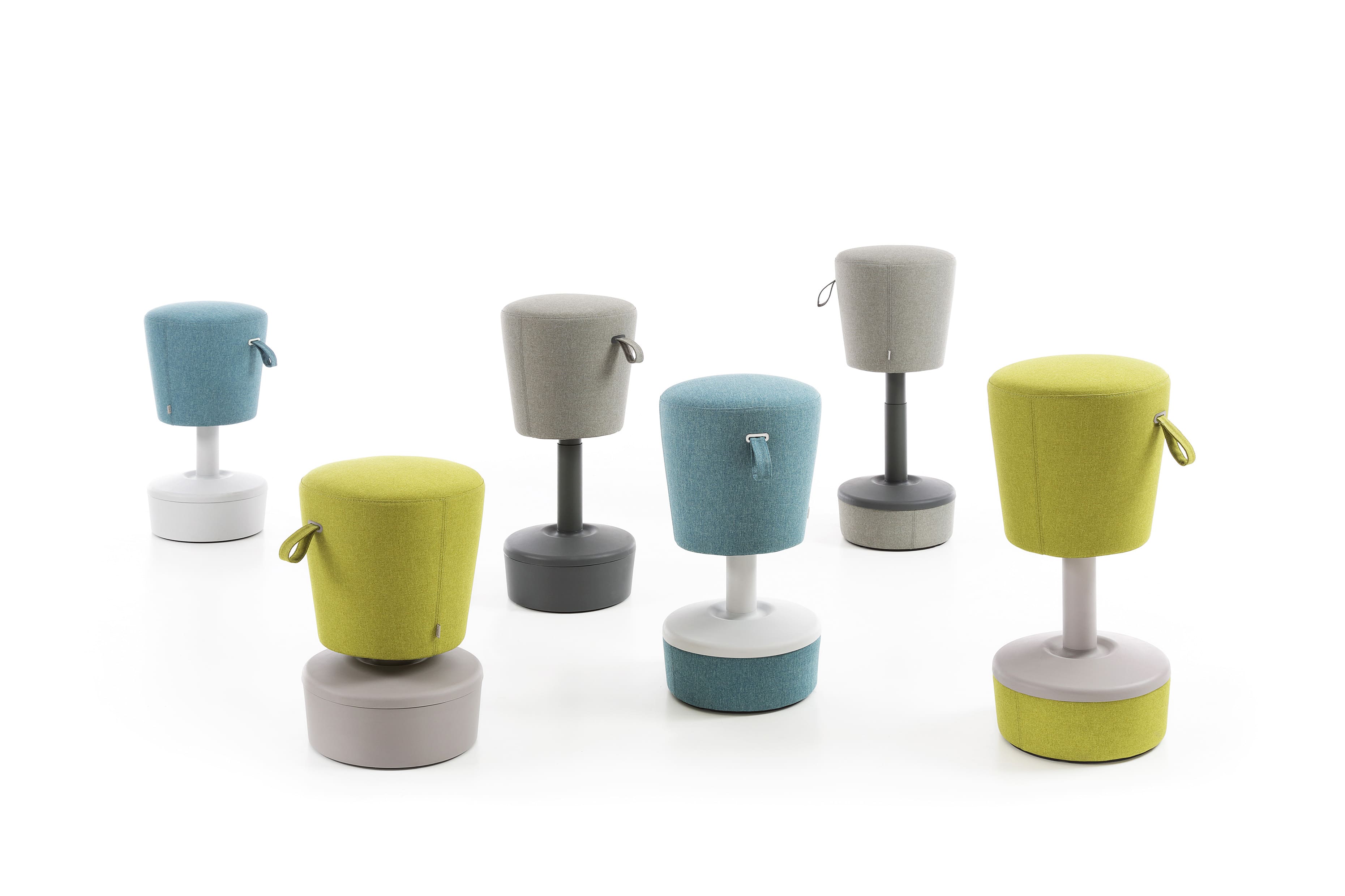
Active or balance chairs are designed to keep your body gently moving while seated, helping you maintain balance.
These chairs allow for small sways, leans, or position adjustments, engaging core and back muscles to support better posture and reduce tension. They work especially well alongside ergonomic office chairs and standing desks – you don’t need to spend the entire day on them.
Benefits of active seating include:
-Engaging stabilizing muscles
-Improving posture and balance
-Reducing stiffness from long periods of sitting
4. Take Short Movement Breaks Every 30–60 Minutes
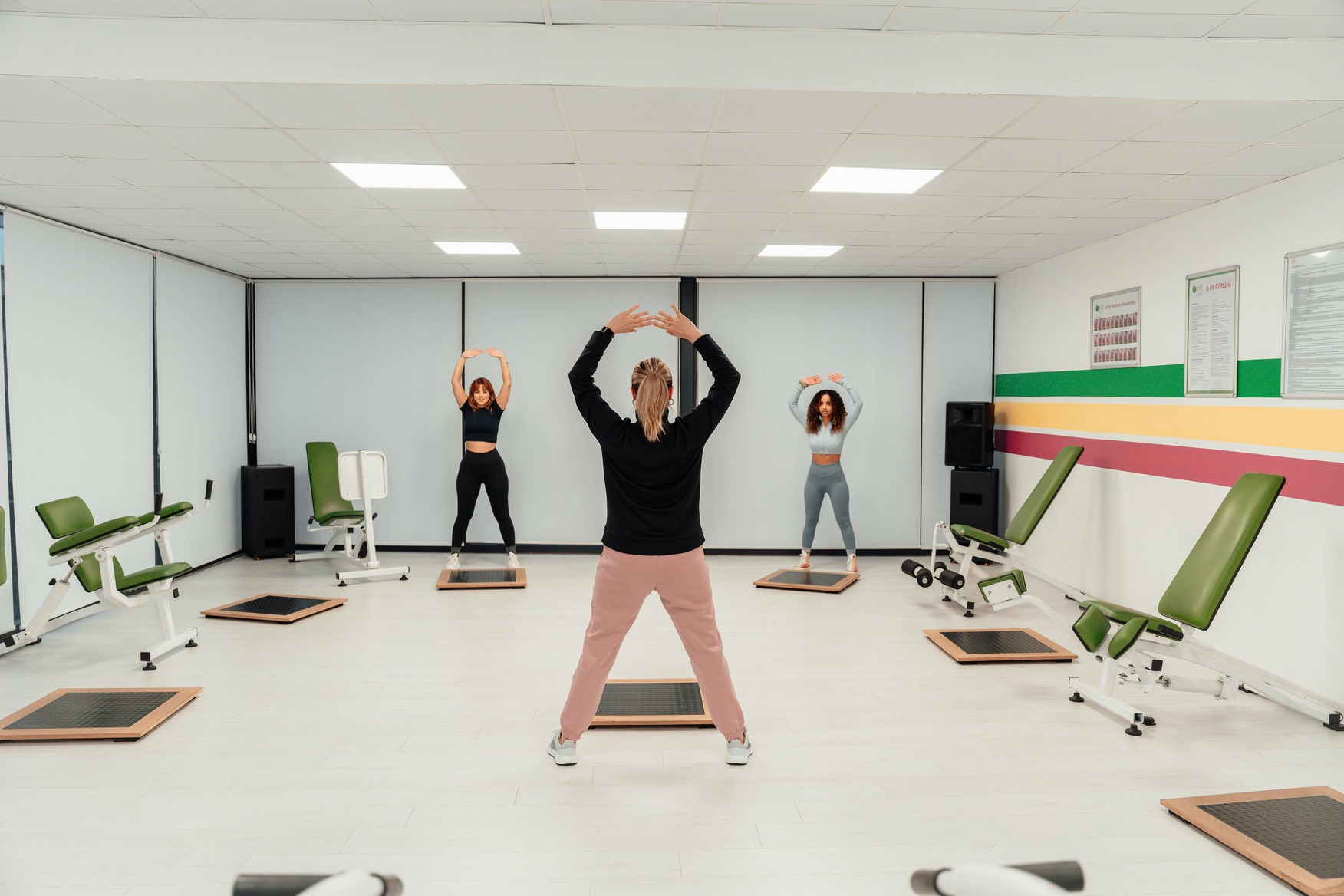
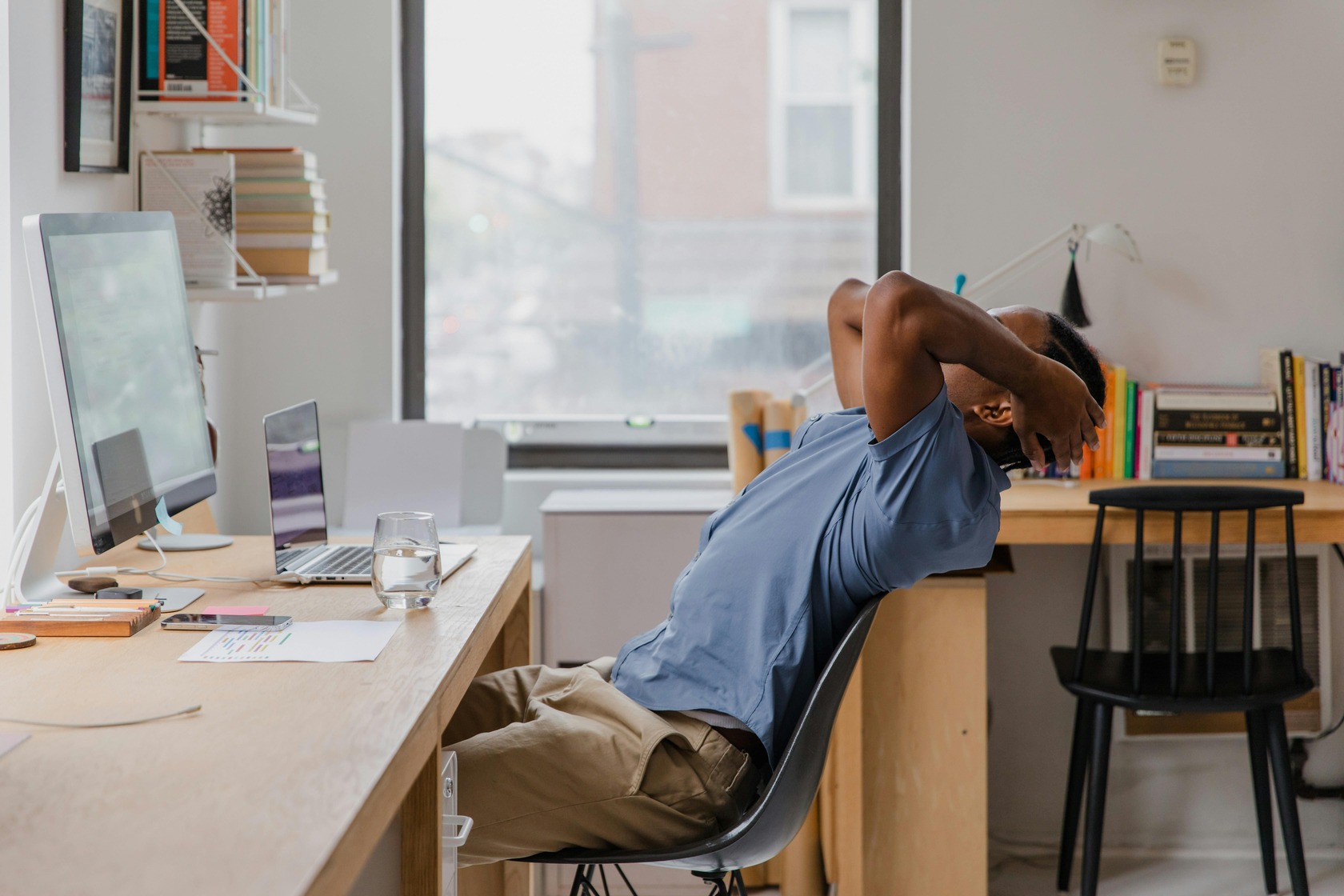
Even during a busy day, your body needs regular movement breaks. Sitting in one position for too long can create back tension, stiff shoulders, and mental fatigue. Experts often recommend standing up and moving for a few minutes every 30–60 minutes.
Short breaks don’t have to be long – a few minutes is enough to refresh your body and mind. Examples include:
-Stretching your neck, shoulders, and back
-Walking briefly around the office or hallway
-Doing simple stretches at your desk
These mini-breaks improve circulation and mental clarity, making it easier to return to work focused and energized.
5. Hold Walking or Standing Meetings
Not every meeting has to take place sitting at a table. Standing or walking meetings can be far more productive while also adding movement to your day.
Standing meetings tend to be shorter and more dynamic. People communicate more efficiently when not seated for long periods. Walking meetings are great for small teams or one-on-one discussions.
Benefits include:
-Increased movement during the workday
-More relaxed and creative discussions
-Greater engagement from participants
Even just one or two standing or walking meetings per week can help make your workday more active and dynamic.
6. Move During Everyday Office Activities
You don’t need special equipment to get more movement into your day – small daily habits can make a big difference.
For example, take the stairs instead of the elevator, stand during phone calls, or walk to a colleague’s desk instead of sending a message. These simple actions gradually increase your daily movement.
Although they seem minor, these habits collectively create a more active workday and help your body feel better after hours at a desk.
7. Use Your Lunch Break for a Short Walk
Lunchtime is the perfect opportunity to get moving and take a mental break. Instead of spending your break at your desk or on your phone, try going for a short walk after eating.
Even 15–20 minutes outdoors can be very beneficial – it stretches your body after a morning at the computer and gives your mind a chance to recharge. Often, you return to work more energized and focused.
Benefits of a lunchtime walk:
-Improves afternoon focus
-Reduces fatigue
Boosts mood and productivity
It’s also one of the simplest activities to fit into any workday – all you need is a few minutes and the willingness to move.
8. Commute by Walking or Cycling
If possible, try walking or cycling to work. It provides movement, lifts your mood, and energizes you before the day begins. On the way home, it helps clear your mind and disconnect from work tasks.
Even a short walk or bike ride has multiple benefits:
-Activates muscles and joints
-Improves circulation
-Reduces stress and prepares the mind for a productive day
For longer distances, consider a combination – for example, cycling partway and taking public transport, or walking a few stops from the bus. These small daily activities add consistent, unnoticed movement, benefiting both physical and mental health in the long term.
9. Turn Movement into Office Challenges
Movement can become more motivating when turned into a friendly office competition. Create a challenge where colleagues or teams compete in step counts, active minutes, or total walking distance. This fosters movement, teamwork, and positive competition.
Popular apps to track activity and organize challenges include:
-Strava – track steps, walks, and bike rides, and set up team challenges
-Google Fit – tracks steps and active minutes with challenge features
-Fitbit – track steps and participate in group challenges if many team members use Fitbit devices
-Pacer – simple step tracking with community challenges
Challenges can take many forms: “most steps in a week,” “150 active minutes a day,” or a “stairs challenge.” Even small rewards can motivate participation. These activities not only improve physical health but also create a positive office atmosphere.
Conclusion
Staying active during the workday doesn’t have to be complicated – small changes to daily habits and a few practical tools can make a big difference. Height-adjustable desks, treadmill desks, balance chairs, short movement breaks, walking meetings, and even mini office challenges can significantly improve well-being, energy levels, and focus.
For office equipment that supports daily movement, contact our specialists!
info@salonsarka.lv | +371 67892773
Author - Mārtiņš Tamisārs, Salons Arka


Stay updated with the latest industry trends and discover about special offers and discounts!
 all
all Cabinets and shelves
 Acoustics solutions
 Built-in furniture
 Tables and reception desks
 Chairs and sofas
 Office equipment
 Metal furniture
 For educational institutions
 Hotel furniture
 For museums and repositories