Office sofas are an essential part of a modern workspace, combining comfort, aesthetics, and practicality. They are no longer just an additional piece of furniture – well-chosen office sofas improve employee well-being, create a strong first impression for clients, and help organize space efficiently. For companies that care about their environment and image, a quality office sofa is a long-term investment.
Why are office sofas important in a business environment?
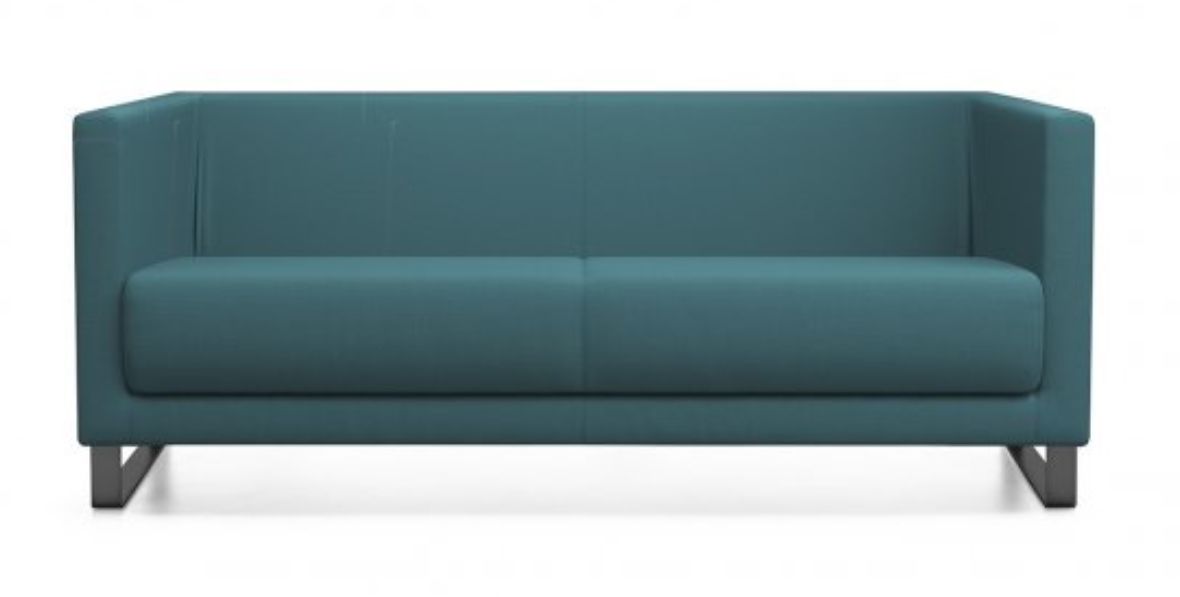
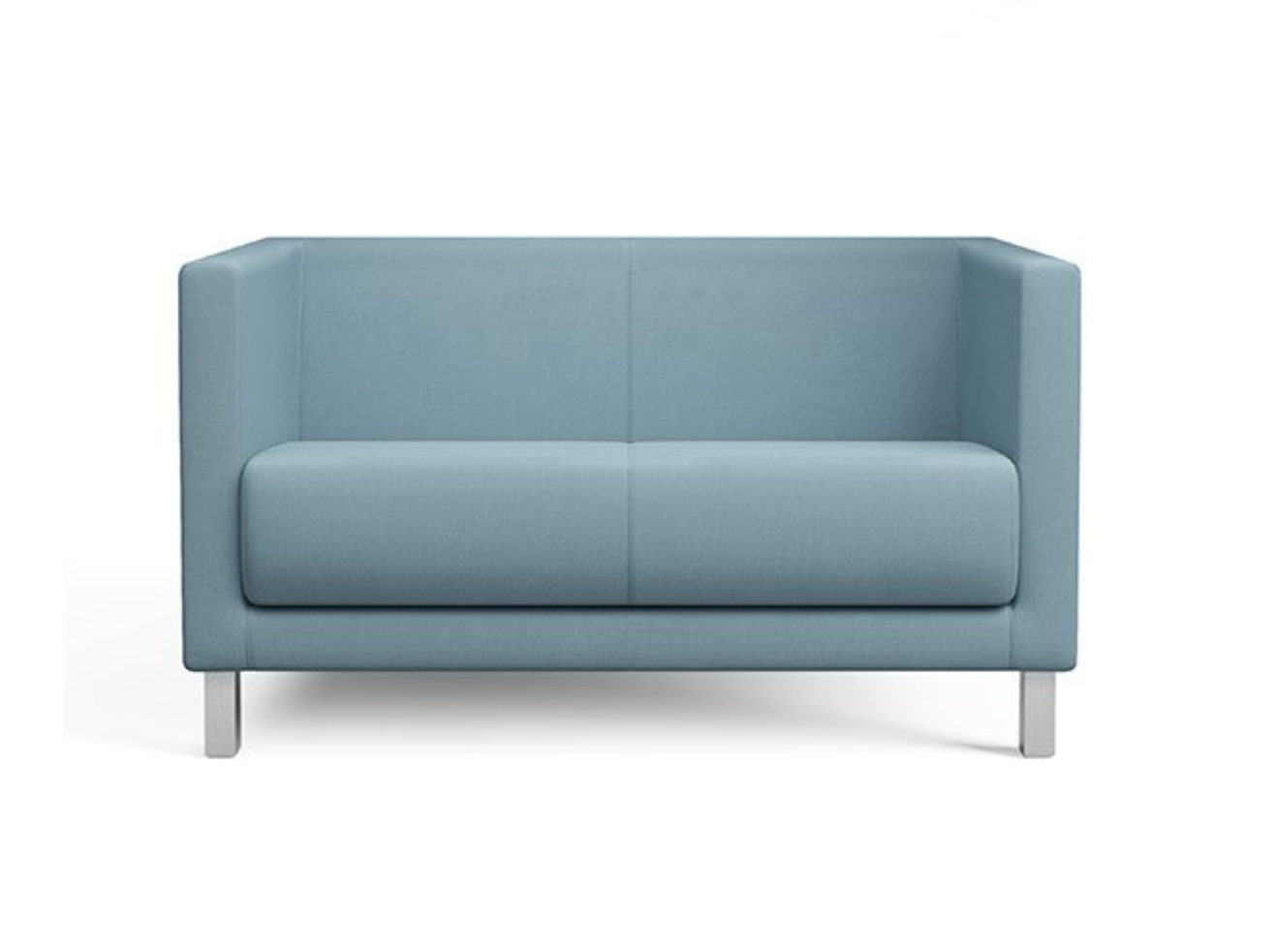
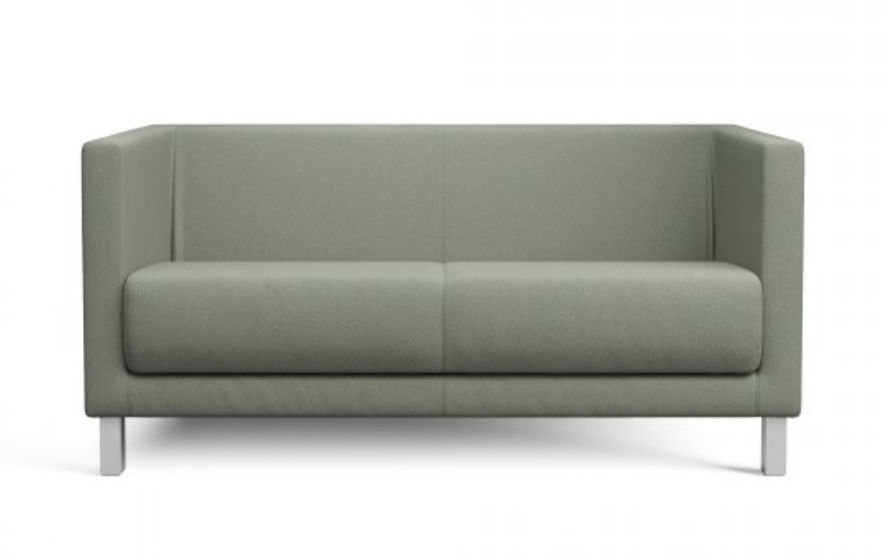
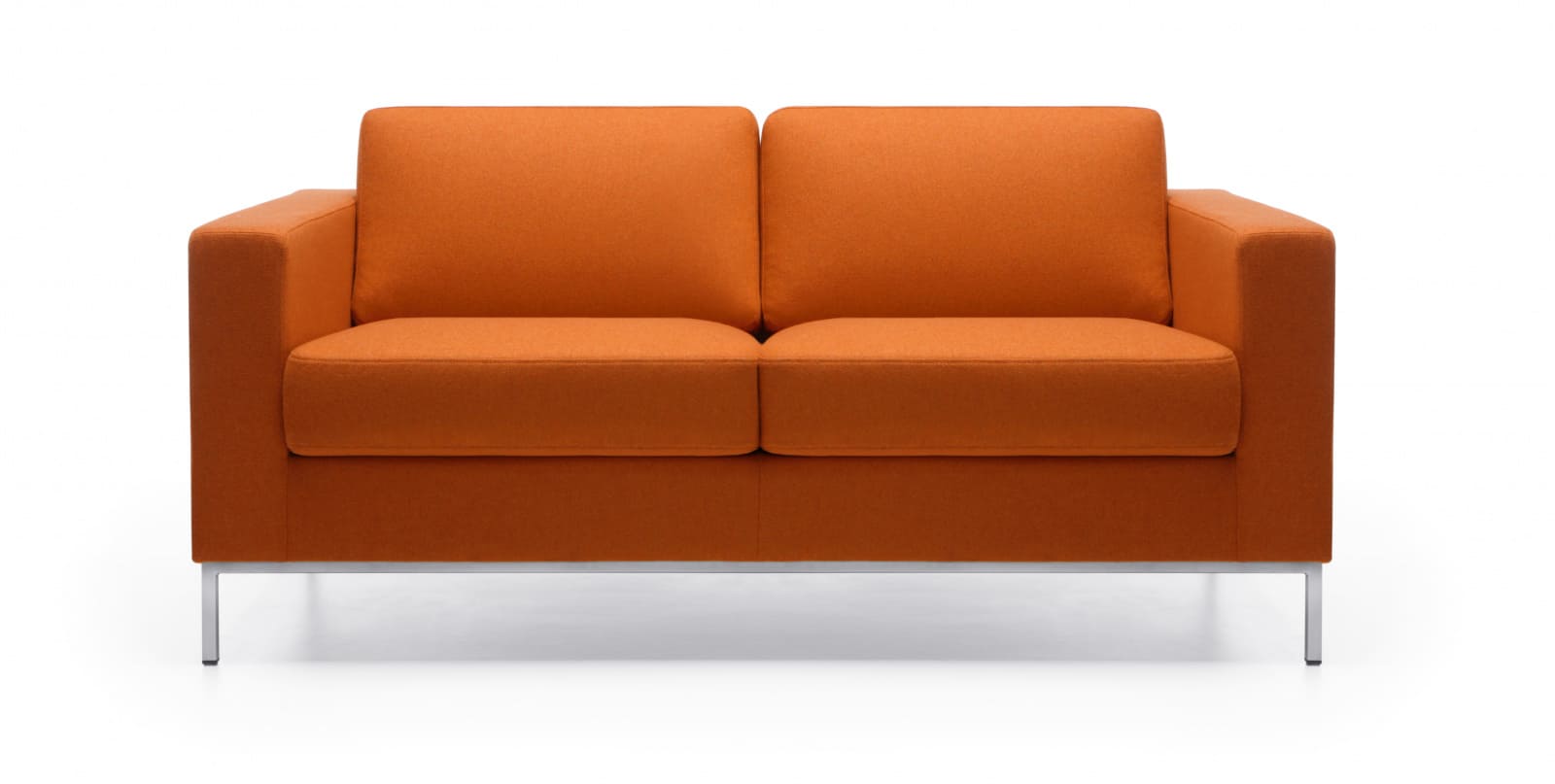
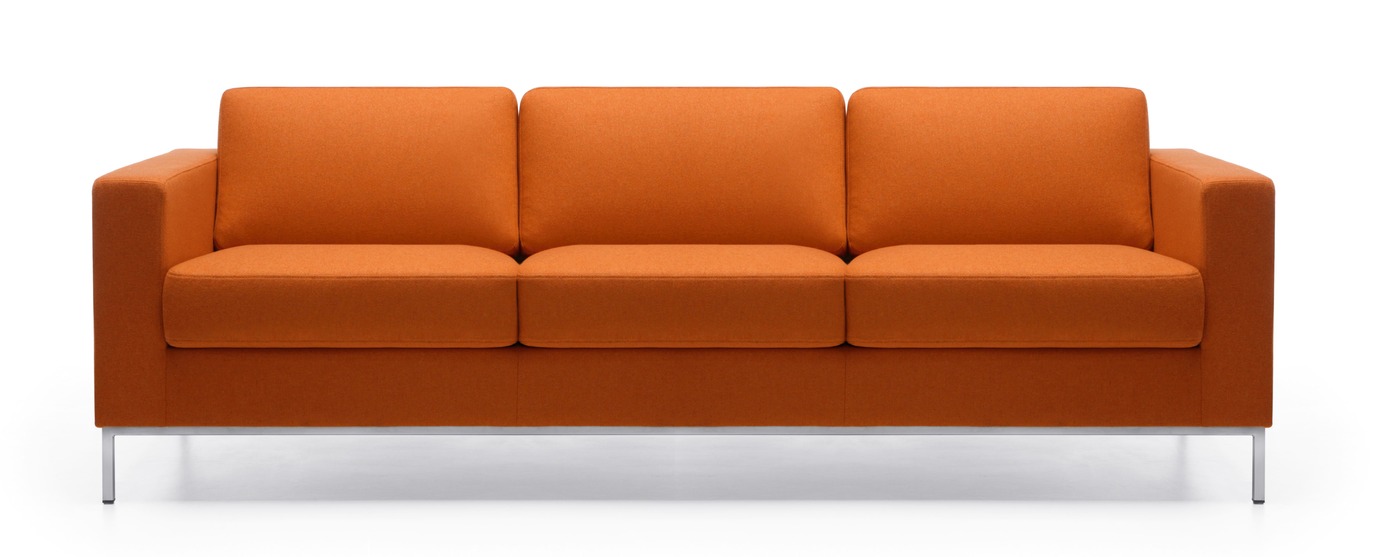
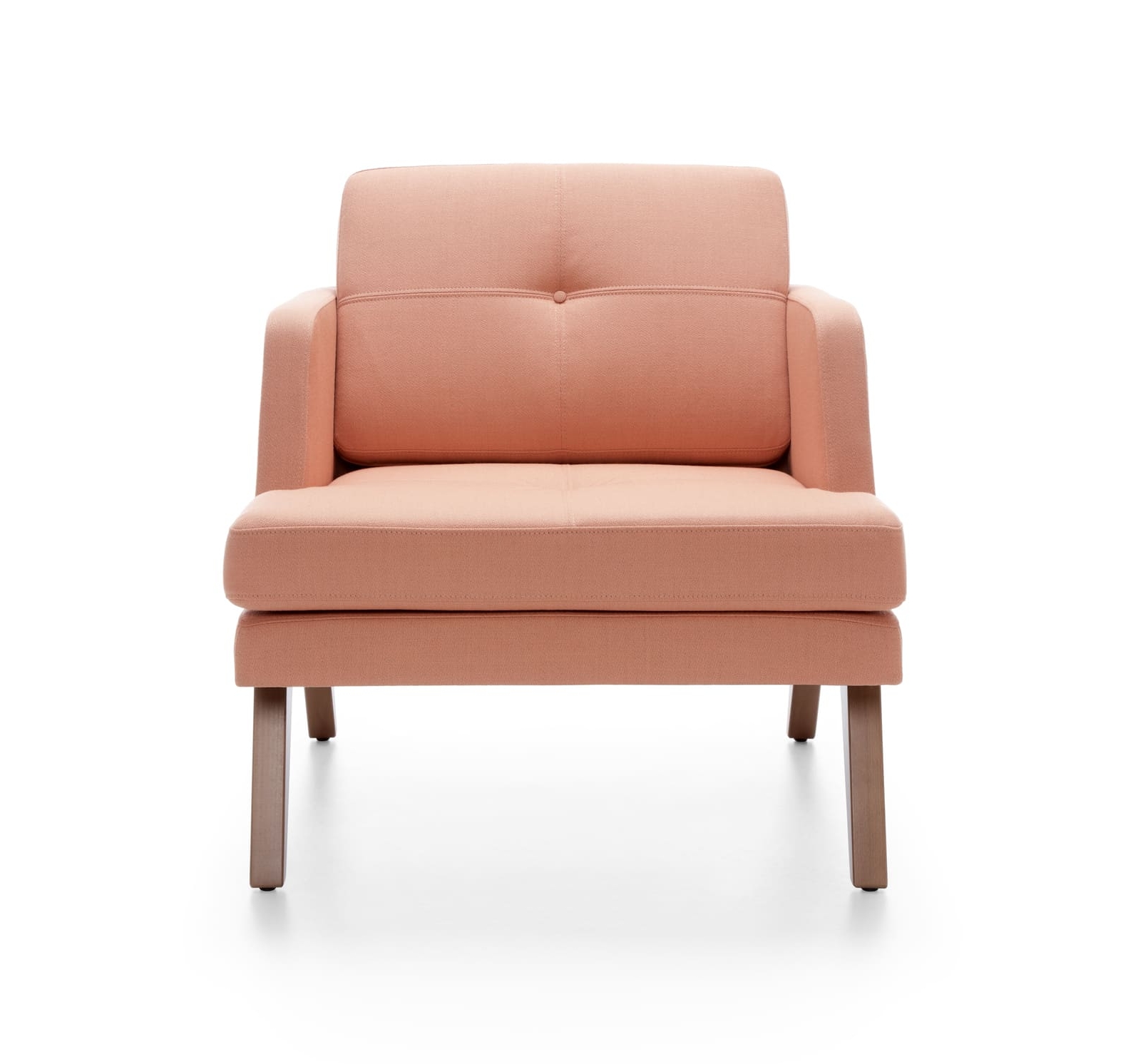
Today’s workplaces place increasing emphasis on comfort and user experience. Office sofas provide a comfortable seating solution for both clients and employees, especially in waiting areas and shared spaces. High-quality waiting room sofas help create a positive impression of the company from the very first moments. Meanwhile, sofas for lobbies serve as both functional and visually appealing elements that enhance the overall interior.
In addition, comfortable seating encourages informal communication and can improve employee productivity, particularly in dynamic work environments.
Types of office sofas and their applications
When choosing office sofas, it is important to consider their purpose and the specifics of the space.
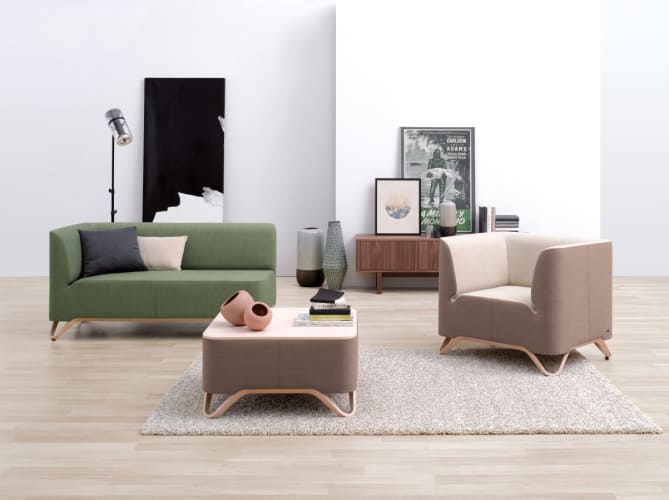
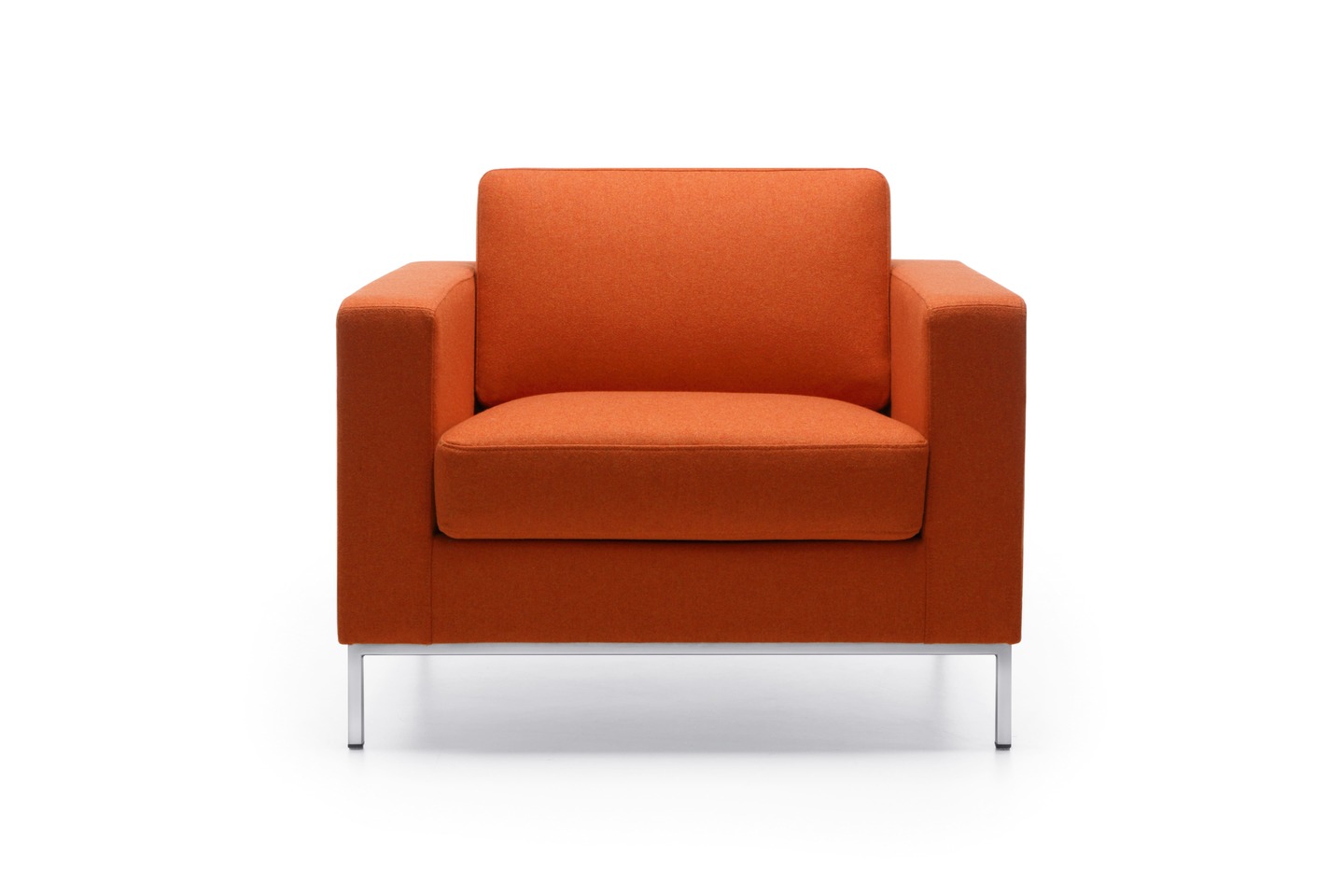
Lounge area sofas are designed for relaxation and informal conversations, creating a welcoming atmosphere.
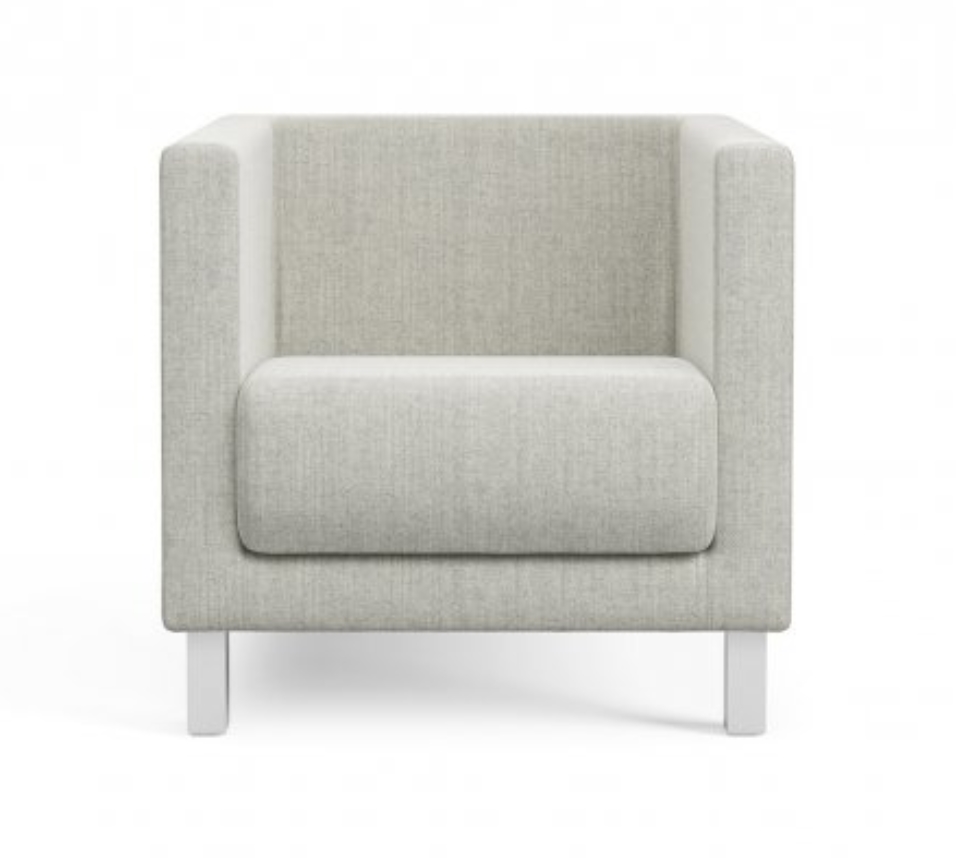
Classic sofas are ideal for executive offices and representative spaces where elegance and professionalism are key.
Modular solutions allow flexible space planning and can be adapted to changing needs.
Waiting room sofas are designed for intensive use, offering durability and easy maintenance.
Each office sofa can be tailored to a specific environment, ensuring both functionality and visual harmony.
Materials and design
Office sofas are available in a variety of materials that influence both their appearance and durability. The most common choices include high-quality fabrics, artificial leather, and genuine leather. These materials ensure longevity and easy maintenance, which is especially important in high-traffic areas.
Design also plays a crucial role – office sofas can be neutral and understated or bold and eye-catching. A well-chosen office sofa helps reinforce a company’s identity and create a professional environment.
How to choose the right office sofa?
When selecting office sofas, several factors should be considered. First, evaluate the function of the space – whether it is a lobby, lounge, or meeting area. Second, consider the intensity of use, which determines the required durability of materials and construction.
Size and configuration are also important to ensure that office sofas fit naturally into the space. Ergonomics and comfort are essential for employee well-being, while high-quality materials guarantee a long-term investment. Professional consultation can help identify the most suitable solution for your needs.
What types of businesses are office sofas suitable for?
Office sofas are suitable for a wide range of industries and business environments.
Companies with waiting areas, such as bus stations, airports, hospitals, and clinics, where client comfort during waiting time is essential.
Businesses that want to emphasize prestige, such as law firms and financial service providers.
Employee lounge areas, where lounge sofas help restore energy and improve productivity.
Meeting and discussion spaces that require a comfortable and more informal atmosphere.
Educational institutions – schools, kindergartens, and universities – where durability, easy maintenance, and attractive design are important.
Conclusion
High-quality office sofas are a key element in any professional environment. They enhance both functionality and aesthetics while ensuring comfort for users. By choosing the right solution, companies can create a space that supports employee well-being and strengthens their brand image.
 all
all Cabinets and shelves
 Acoustics solutions
 Built-in furniture
 Tables and reception desks
 Chairs and sofas
 Office equipment
 Metal furniture
 For educational institutions
 Hotel furniture
 For museums and repositories