18.02.2026.
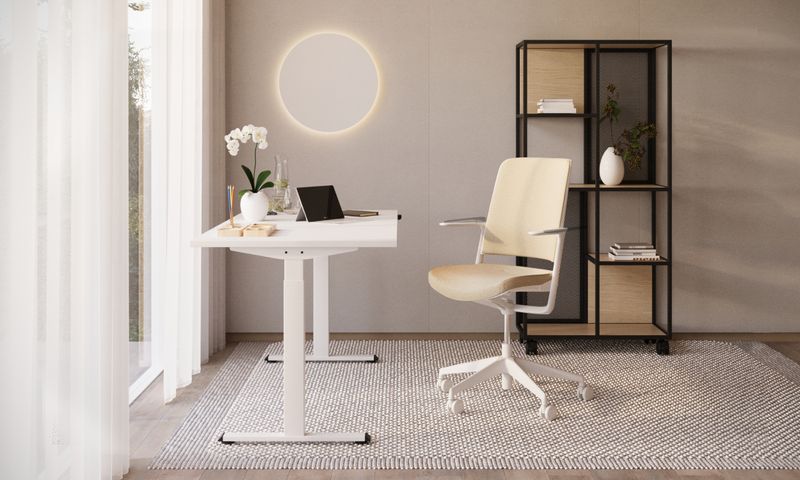
An office chair is no longer just a place to sit. When setting up your workspace, it’s worth asking yourself: Does your everyday office chair truly support you, or are you the one adjusting to it every day? A good seating solution is not a luxury – it’s a tool for productive and healthy work.
How to choose the right office chair for yourself and your employees? Keep reading!
Why Your Old Chair Tires You Out: 5 Signs It’s Time for a New Seat
Many people get used to discomfort and think, “That’s just how it is.” If you notice any of the following signs, the problem may not be your work – it might be your chair.
1. Lower Back Pain After a Workday
If you feel pressure or pulling in your lower back after 6–8 hours, your chair probably doesn’t provide enough support. The lower back is the area most affected by poor posture. Without support, the body “sinks,” the natural curve of the spine collapses, and stress concentrates unevenly in the lumbar region.
2. Stiff Shoulders and Neck
Tension in your shoulders and stiffness in the neck often indicate that armrests are the wrong height (or missing) and your monitor or sitting position is misaligned. If your shoulders are constantly raised or slouched forward, your body is under strain.
3. You Can’t Find a Comfortable Position
If you shift every 10–15 minutes and still feel uncomfortable, it’s a sign that the chair isn’t fully adapted to your body. Make sure your chair allows seat depth adjustment, backrest tilt, and lumbar support. If not, you’re adjusting to the chair every day, instead of the chair adapting to you.
4. The Chair Isn’t Adjustable, or the Mechanisms Don’t Work
Height adjustment alone is a minimal requirement, not ergonomics. If mechanisms squeak, slip, or fail to lock, the support becomes unstable. This instability adds extra strain to your muscles as your body constantly tries to maintain balance.
5. Midday Fatigue
If you feel drained by lunchtime, the cause may be constant micro-tension, not workload. A poor office chair keeps muscles working under silent strain all day – without support or rest. It’s an unnoticed fatigue that accumulates quietly.
Ergonomic Office Chairs: Designed for Long Hours
If you spend at least eight hours at a desk, an ergonomic chair is not an extra – it’s a work tool. Its main purpose is to support your body in the correct position, reduce static strain, and let you work without pain by the end of the day.
What Makes a Chair Ergonomic?
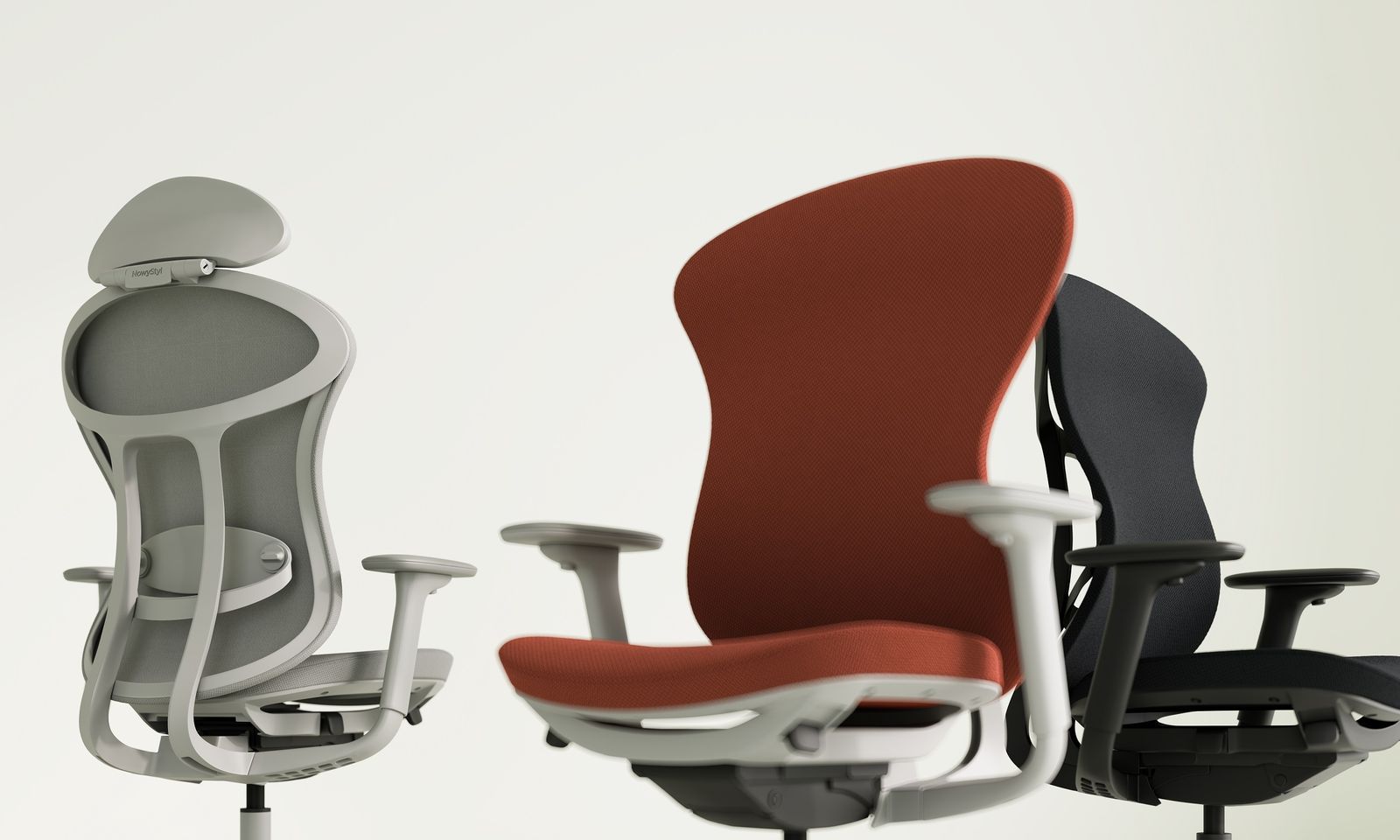
An ergonomic office chair isn’t just “comfortable.” It’s designed to support the body naturally and allow adjustments for individual needs. Key features include:
Backrest Tilt Mechanism – lets you change your seating angle and move during work.
Seat Depth Adjustment – adapts to your height for proper thigh support.
Lumbar Support – maintains the spine’s natural curve and prevents excess lumbar strain.
4D Armrests – adjustable in height, depth, width, and angle to keep shoulders relaxed.
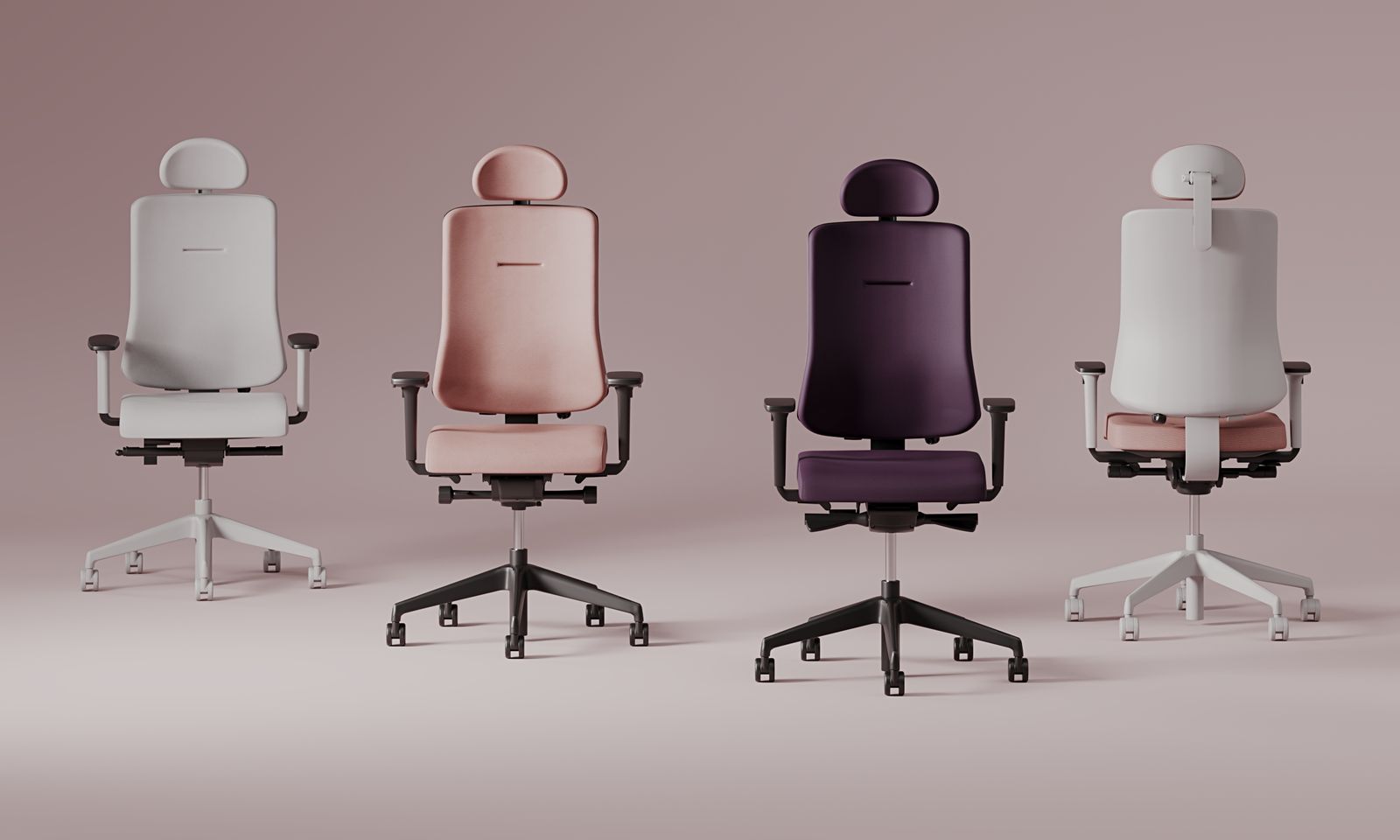
Adjustable Headrest – supports the neck and reduces shoulder tension, especially during long screen time.
Choosing the Right Ergonomic Chair
Not all ergonomic chairs are equal. They vary in adjustment options, mechanisms, materials, and intended use. Your choice depends on how many hours you sit, your work style, and the type of support your body needs.
Below you’ll find different models with their key features to help you better understand which solution is best suited specifically for you.
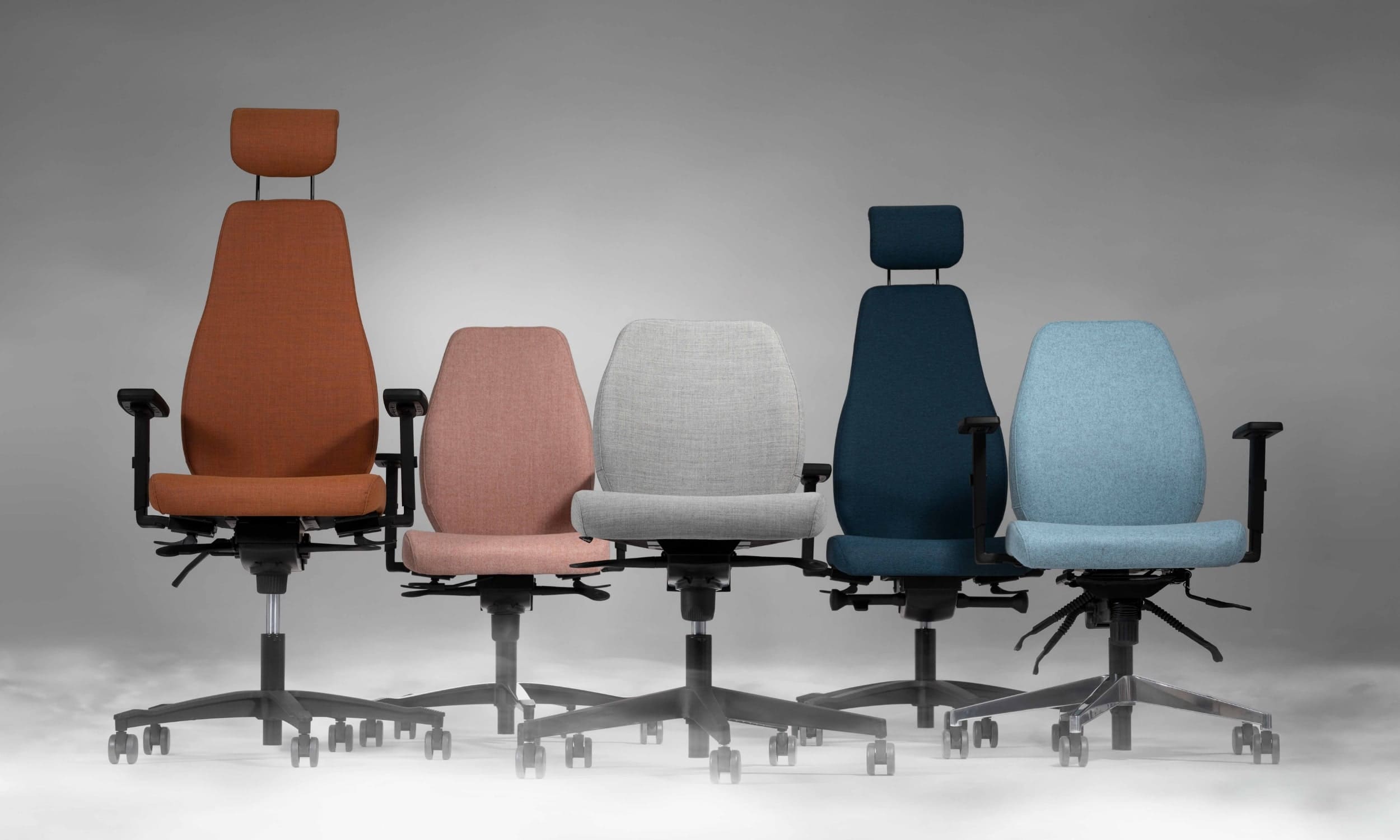
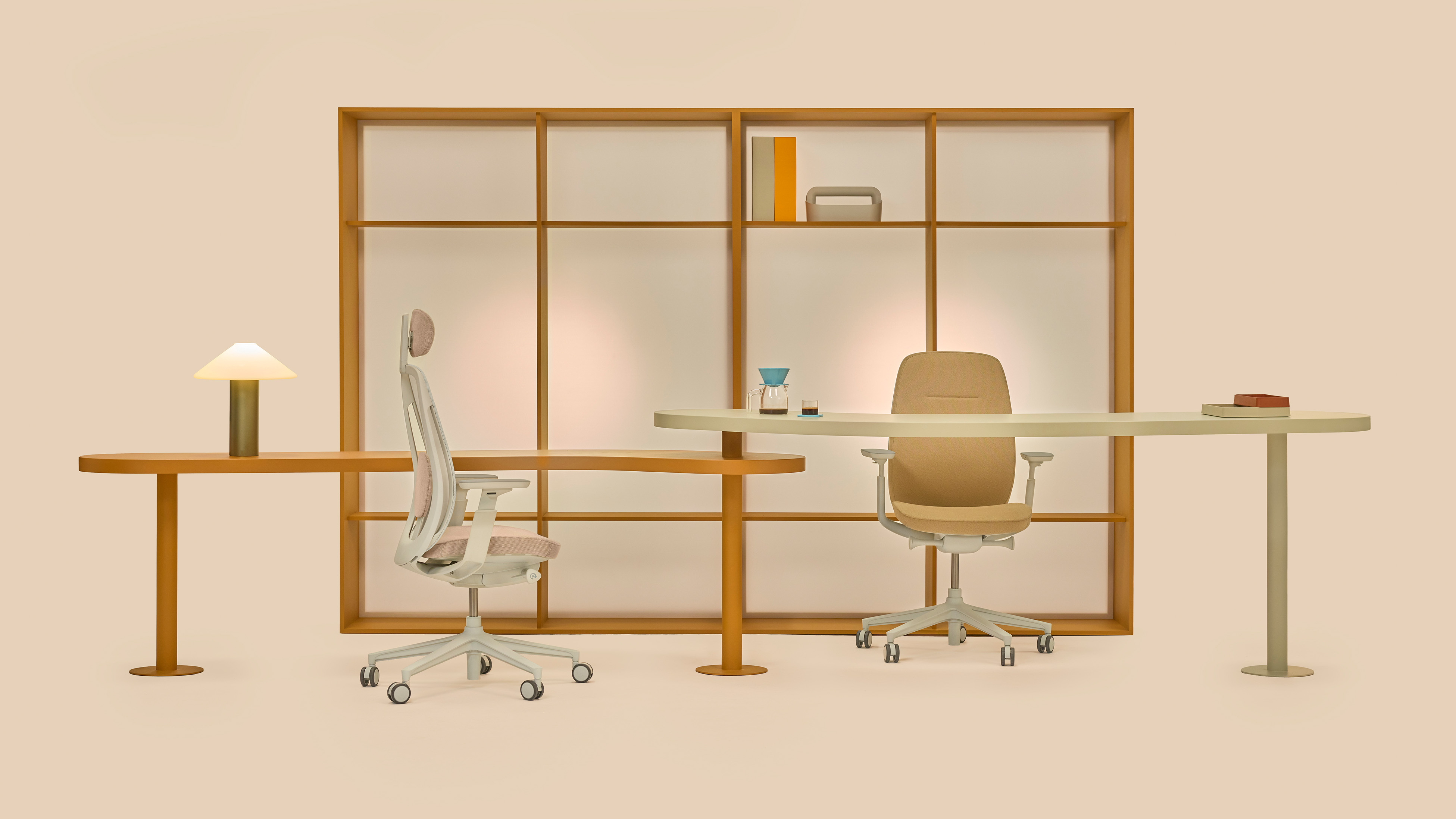
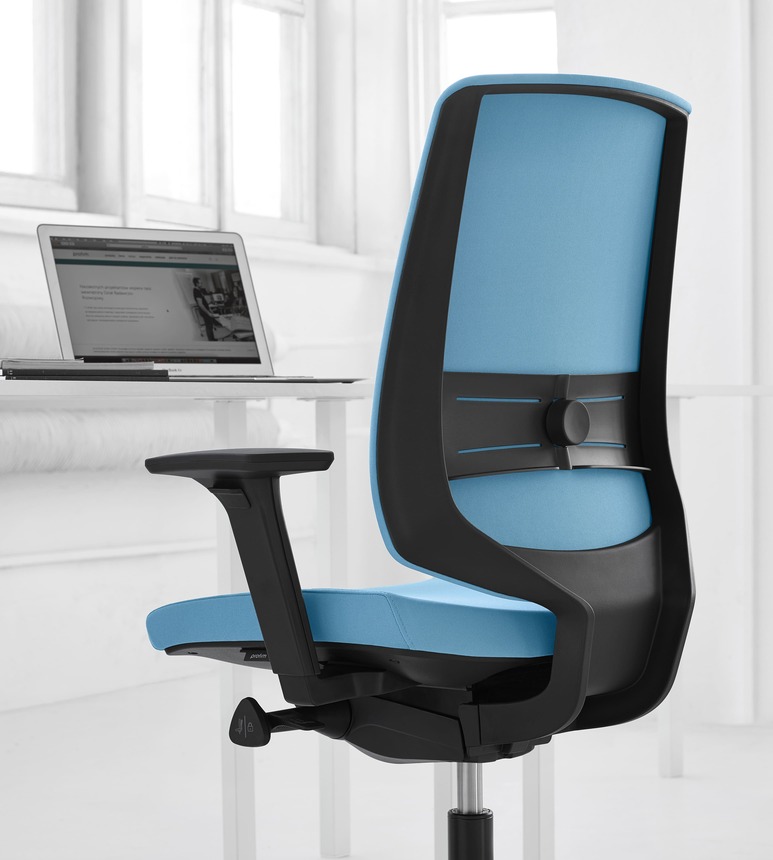
Pace Office Chair – adaptable to every situation. Both the backrest and seat tilt can be adjusted. You can also customize the seat depth and armrest height. It features adjustable lumbar support and an optional headrest.
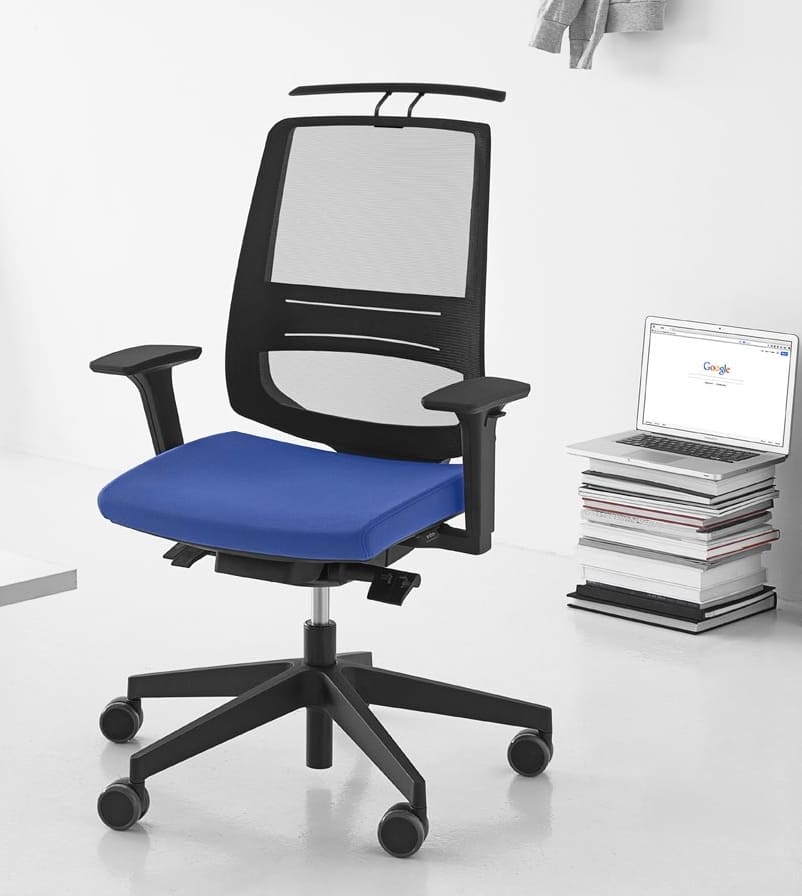
LightUp Office Chair – ergonomic and cost-effective work chair. Adjustable seat height and seat depth. The seat can be set to a negative tilt position. It includes adjustable lumbar support and armrests.
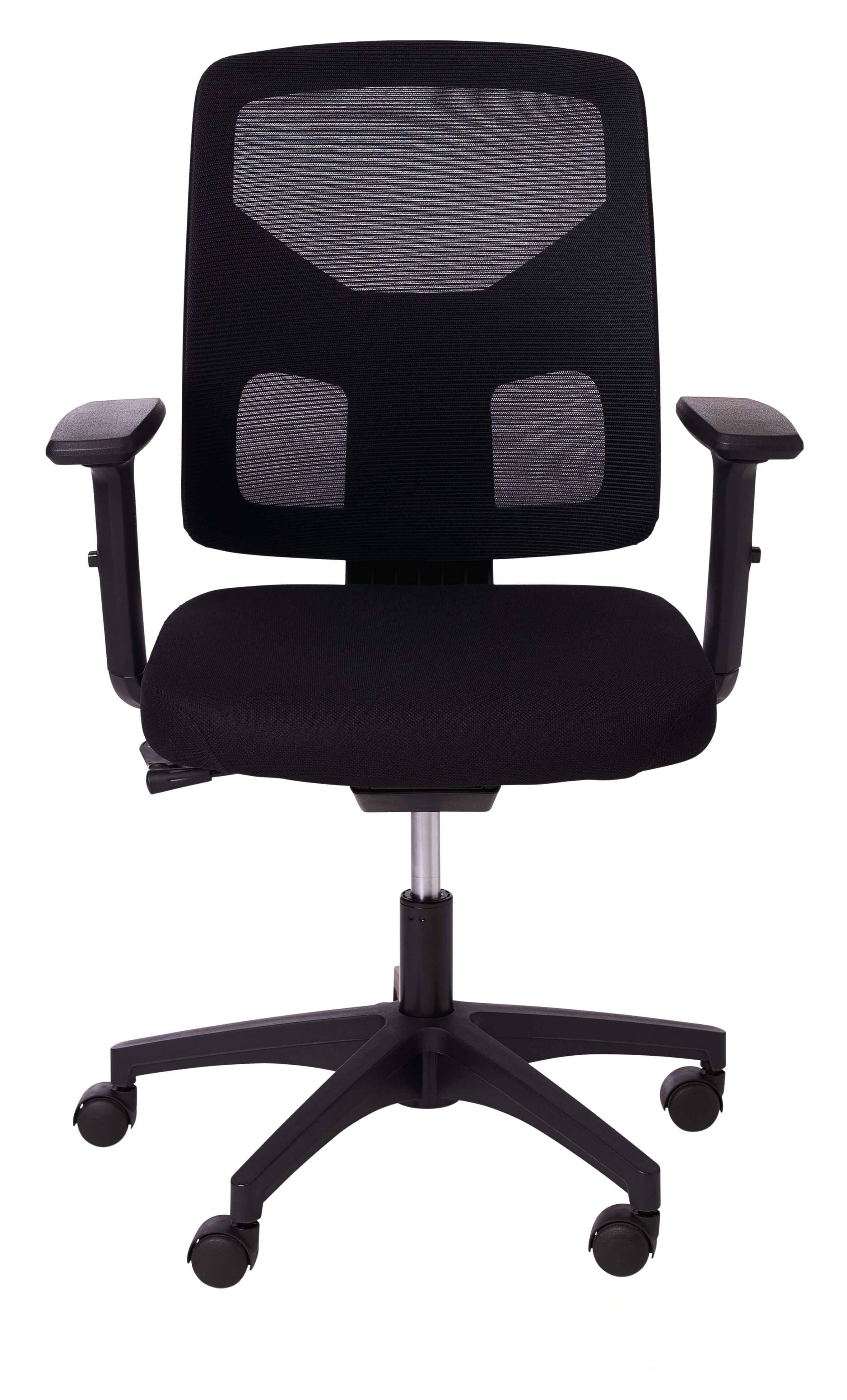
Nauris Office Chair – practical work chair. The seat height can be adjusted, along with seat depth and backrest height. Adjustable armrests are available. This chair comes in a classic black color.
Can’t find what you’re looking for? Explore our full office chair range here!
Gaming Chairs: Design and Functionality
In recent years, gaming-style chairs have become popular not only among gamers but also in modern offices that value functionality over classic design. They attract attention with bold styling, but the key question remains: are they just stylish, or genuinely functional for work?
Racing-Inspired Design
Gaming chairs are often modeled after racing car seats – high backrests, pronounced side bolsters, and a dynamic silhouette. They provide a sense of stability and can become a visual focal point in a space.
Body Support and Side Bolsters
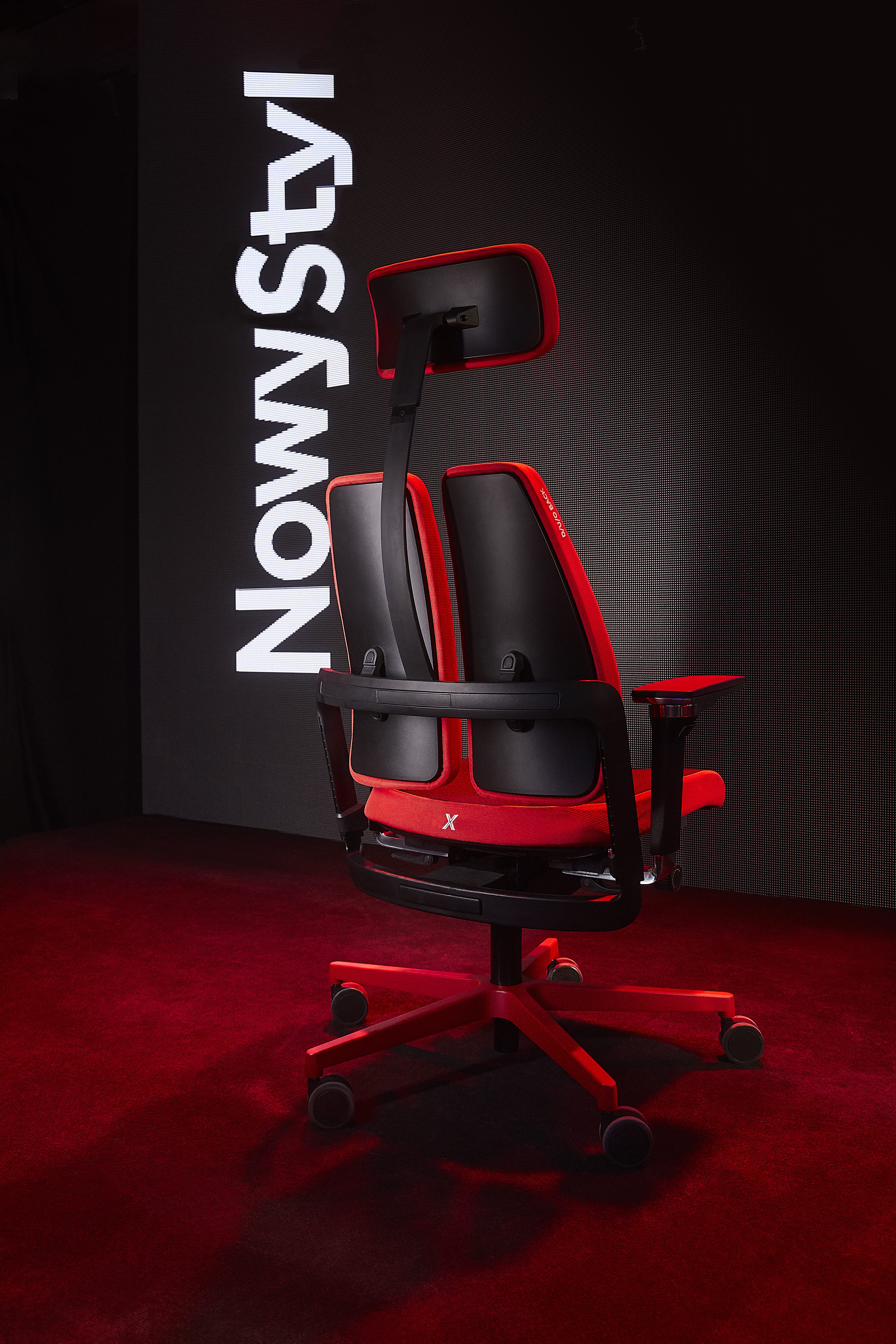
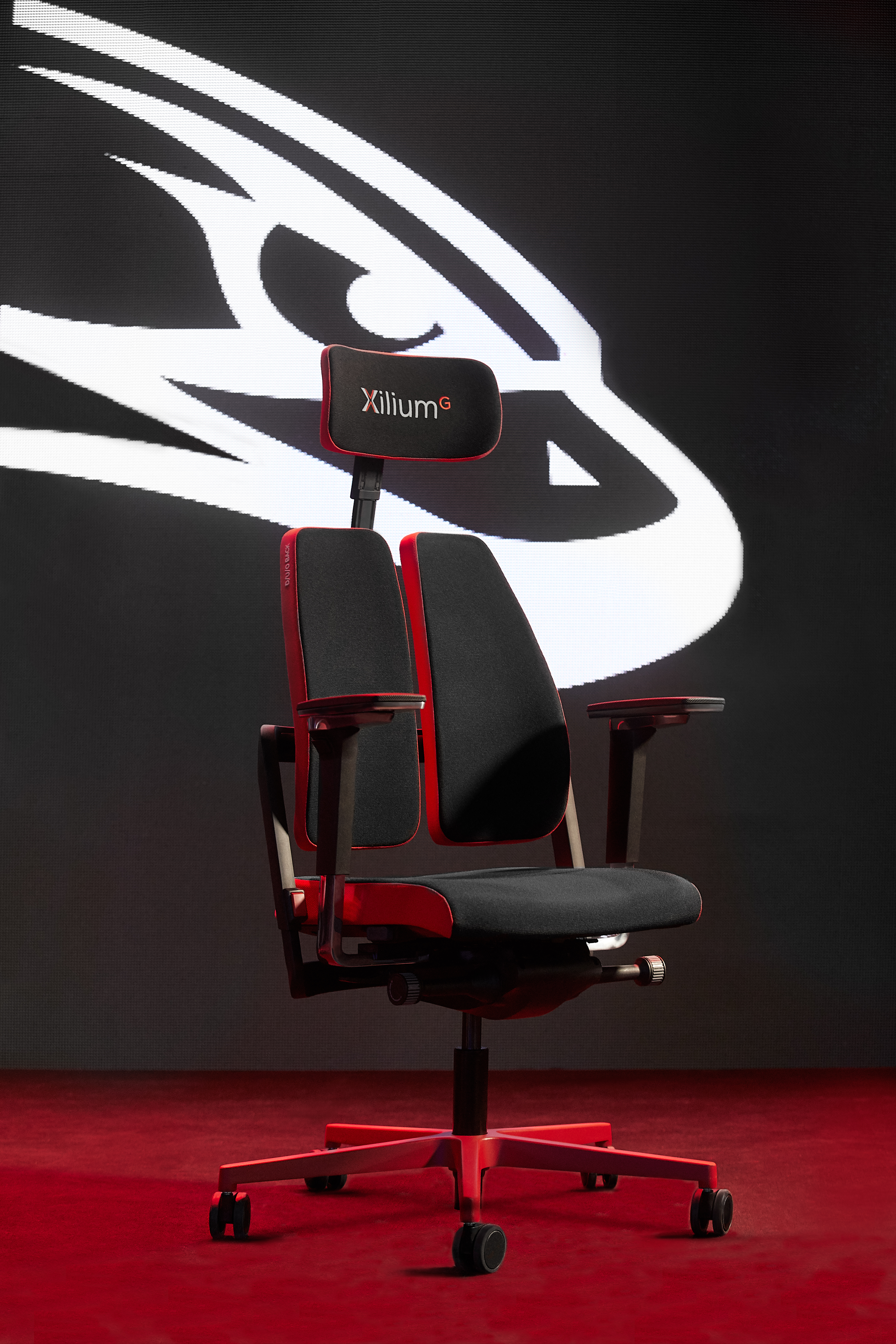
Pronounced side bolsters help keep your body in position, which can be useful during intense work or long gaming sessions. However, this limits movement freedom, which may not suit everyone for long-term use. For example, our Xilium chair balances support and mobility, making it suitable for both dynamic gaming and comfortable office work.
Adjustment Options: Myth or Reality?
Many gaming chairs offer adjustable height, recline, and separate cushions for lumbar and neck support. However, some stylish chairs lack full ergonomic functionality – for example, armrests may not adjust, or lumbar support is static. It’s important to choose a gaming chair that combines ergonomic principles with gaming-ready adjustments.
Does a Gaming Chair Fit in an Office?
From an aesthetic perspective, a gaming chair fits perfectly into a modern, creative, or tech-driven environment, where a bold design becomes an interior accent. However, in a classic office with a restrained and elegant setup, it may appear too eye-catching or out of place. In that case, it is better to choose classic ergonomic office chairs.
Is a gaming chair comfortable for long working hours, not just gaming?
Long-term comfort depends on the specific model. If you choose a gaming chair with full ergonomic features, it can also be suitable for extended work sessions. It’s important that you can adjust the backrest tilt, lumbar support, seat depth, armrest height, and other settings so the chair adapts to the user – not the other way around.
Balance Chairs
Balance chairs encourage movement even while seated. Instead of being fully supported and fixed, the body engages subtly. This approach reduces static strain and promotes micro-movements that improve circulation and alertness.
Balance chairs often have no backrest or a rounded, movable base. Some include balancing mechanisms that allow gentle rocking or sliding to maintain posture. This engages deep core and back muscles, helping improve posture and reduce the negative effects of prolonged sitting.
Choosing a Balance Chair
Consider how dynamic you want your experience to be and how long you’ll use it each day. Models vary in base stability, height adjustment, seat shape, and suspension. Some are for more intense balancing, others for gentle micro-movements.
Below you’ll find a selection of different solutions with their key features, so you can choose the one that best suits your work style and comfort needs:
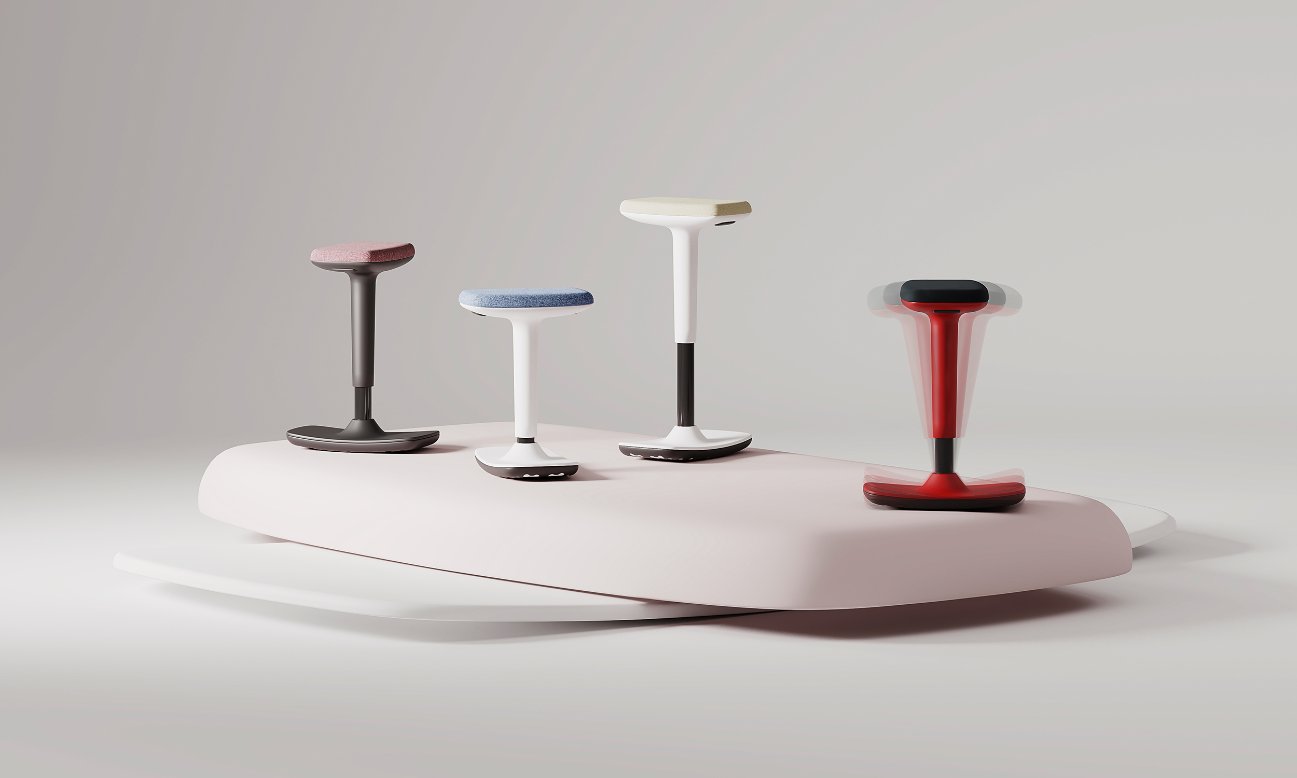
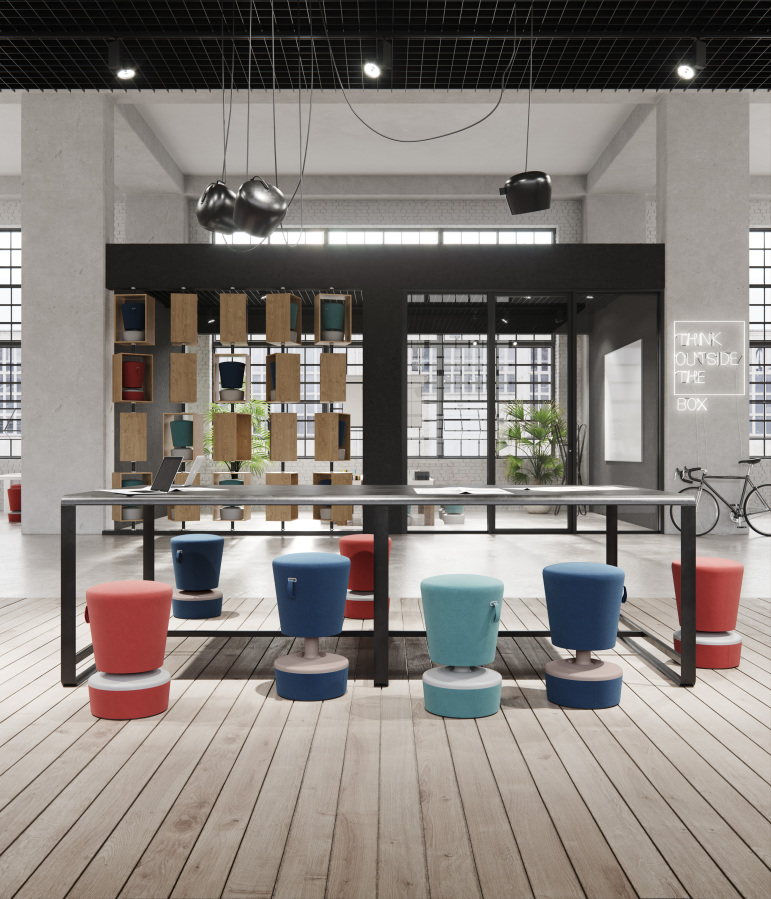
Mickey Balance Chair – great for office, school, or coworking spaces; stable base, movable seat.
Timmi Balance Chair – lightweight, curved base, portable for sitting or standing tasks.
SF Balance Chair – minimalist, movable seat, stable base.
Balance Ball – a playful alternative that encourages micro-movements and creativity.
Balance Chairs as a Supplement
The smart approach is to combine an ergonomic chair with a balance chair for the healthiest experience. Use the balance chair for a few hours or specific tasks to engage muscles while keeping the ergonomic chair for full-day work.
Read more about balance chairs in this article!
How to Choose an Office Chair for Your Needs
A chair isn’t one-size-fits-all. Start by answering key questions:
1. How many hours do you sit?
If it’s 6–8 hours or more, an ergonomic chair with full back support and extensive adjustment options is a necessity, not a luxury. One example is the Pace office chair. For shorter work sessions or occasional use, a more minimalist model or a combination with an active seating solution may be sufficient.
2. What is your work style?
Do you spend most of your day focused on concentrated computer work? Or do you frequently get up, move around, and lead meetings? Static work requires stable support and precise adjustability – something an ergonomic office chair provides, and which can be effectively combined with a balance chair for an even healthier experience. In a dynamic environment, a simpler chair or a balance seat that encourages movement may be more suitable.
3. Design or functionality?
Ideally – both. But if you have to choose, functionality should come first. A chair that looks good but doesn’t support your back will cost you more in the long run in terms of health. A high-quality model with thoughtful design, on the other hand, can be both an aesthetic and practical solution at the same time. Explore our range of ergonomic office chairs and choose the one that suits you best!
4. What material should you choose for an office chair?
The material not only determines how the chair looks, but also how comfortable and durable it will feel over time.
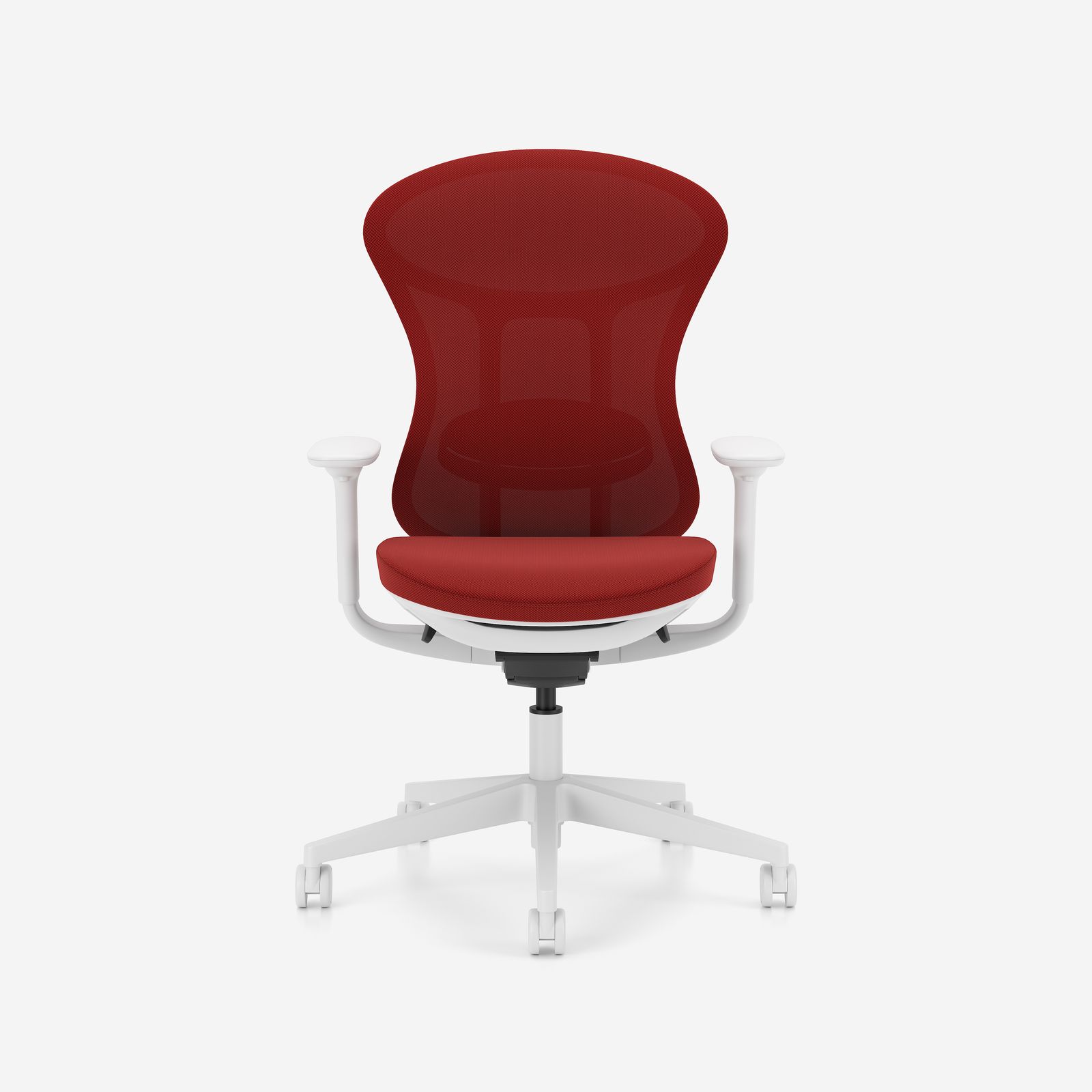
Breathable mesh is an excellent choice if you sit for long periods. It provides ventilation and reduces sweating.
Fabric is comfortable and warm. It is often the most versatile material, as it can be easily adapted to match the office design and color scheme. Fabric also offers good durability for everyday use.
Leather or eco-leather creates an elegant and professional look. It is easy to maintain, but may be less breathable in warmer climates.
The density of the padding affects seat support and comfort, and higher density usually means a longer lifespan. Choose the material according to the intensity of use, the work environment, and your personal comfort preferences.
Budget vs. long-term investment
An office chair is an everyday work tool. A cheaper model may seem attractive at first, but quick wear and discomfort often lead to additional costs in the future. Investing in a high-quality, durable, and adjustable chair pays off through better well-being and productivity.
Choose wisely. A good office chair works for you every single day!
An Office Chair Is an Investment in Your Health
An office chair isn’t just furniture – it’s the foundation of your daily comfort, productivity, and long-term wellbeing. Spending hours, days, and years seated, a proper adjustable and high-quality chair reduces back strain, improves focus, and prevents subtle, cumulative problems. A good office chair isn’t an expense – it’s a thoughtful investment in yourself.
For more information about office chairs and their ergonomics, or if you wish to place an order, contact our specialists at 67 892 773 or info@salonsarka.lv!

 all
all Cabinets and shelves
 Acoustics solutions
 Built-in furniture
 Tables and reception desks
 Chairs and sofas
 Office equipment
 Metal furniture
 For educational institutions
 Hotel furniture
 For museums and repositories